
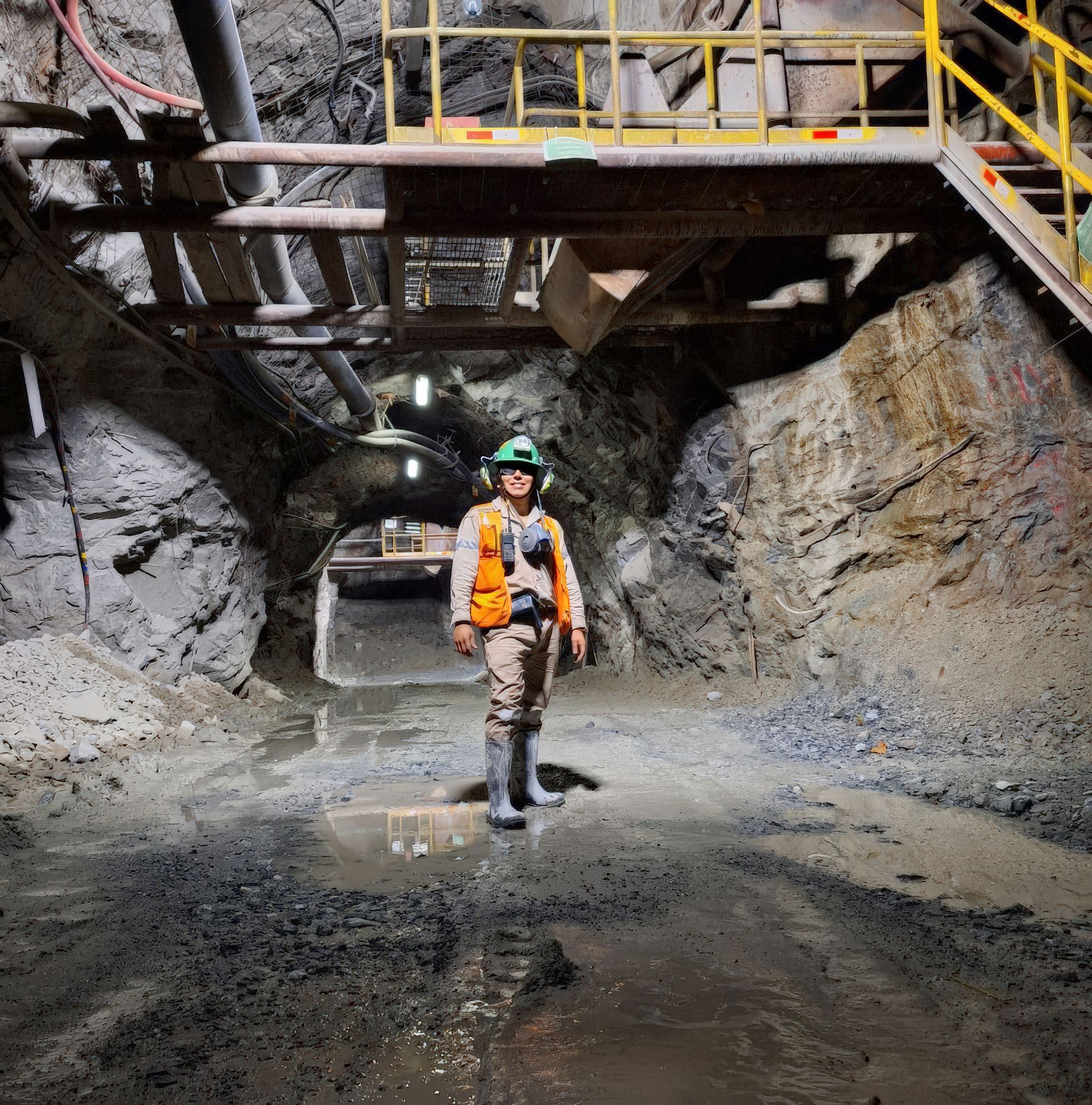
Storage between rosters, told straight — no upsell, no hidden fees, just what actually works when you're two weeks on, one week off.
If you work a fly-in fly-out roster out of Adelaide or Alice Springs, you already know the bit nobody warns you about isn't the swing itself — it's what happens to your life at home while you're gone. The ute, the tools, the bike, the boxes still taped up from your last move. Somewhere between the airport run and the next changeover, your stuff needs a home that doesn't depend on a mate's shed, a parent's garage, or the back seat of your car.
We've been in the self storage business since 1986, and in that time we've watched Adelaide and Alice Springs both grow into genuine FIFO and DIDO hubs — feeding crews out to Olympic Dam, Prominent Hill, Carrapateena and Roxby Downs from the south, and out to the Granites, Tanami and Central Australian sites from Alice. The logistics of getting to site are usually sorted for you. What to do with your gear in between usually isn't. This guide is about closing that gap — and doing it in a way that actually reduces stress, not just your bill.
The real problem isn't cost — it's the mental load
Most articles on this topic lead with a spreadsheet: rent versus storage, dollars per week, breakeven points. That's a fair conversation to have, and we're happy to talk pricing when you call in. But if you're two days from a flight out and still don't know where your camping gear, spare tyres or winter clothes are going to sit for the next three weeks, cost isn't actually your problem. Certainty is.
The FIFO workers we talk to aren't looking for the cheapest possible square metre. They're looking for somewhere they can drop gear off at 5am before a flight, pick it up at 11pm after a red-eye back from site, and trust it'll be exactly as they left it — without needing to ring anyone, wait for a manager, or plan their day around someone else's opening hours.
Why this matters more on a roster: A regular renter can plan around business hours. A FIFO or DIDO worker's "moving day" might fall at any hour, on any day of the week, depending on flight times, site changeovers or a roster swap. Storage that only works Monday to Friday, 9 to 5, simply doesn't fit the life.
What actually needs a home between swings
Every FIFO household is different, but after decades of helping people through exactly this transition, the same categories come up again and again:
| Category | Typical items | Why storage beats the garage or spare room |
|---|---|---|
| Trade & site gear | Tool boxes, PPE, generators, spare parts, ute canopies | Keeps expensive kit secure and dry, away from opportunistic theft at home while the house sits empty |
| Vehicles & recreational gear | 4WDs, caravans, boats, jet skis, dirt bikes | Purpose-built undercover vehicle storage means no rego dramas from street parking and no weather damage |
| Household overflow | Furniture between leases, seasonal items, boxes from a recent move | Keeps a smaller rental liveable instead of turning the second bedroom into a dumping ground |
| Documents & valuables | Contracts, certificates, tax records, family keepsakes | Secure, monitored premises rather than an empty house for three weeks at a time |
The common thread is simple: FIFO and DIDO life compresses your "at home" time into short, unpredictable windows. Anything that clutters that window, or sits at risk while you're away, is worth moving into proper storage.
Adelaide: storage that works around the roster, not the other way around
Between our Holden Hill, Elizabeth South and Edinburgh North centres, most Adelaide FIFO and DIDO workers can find a base close to home turf rather than adding an extra trip across town before a flight out of Adelaide Airport. Holden Hill sits handy for anyone based in the north-eastern suburbs, Elizabeth South and its northern corridor suit crews heading up through Gawler and beyond, and Edinburgh North was purpose-built with undercover space for boats, caravans, cars and jet skis — genuinely useful if your "stuff" includes a rig you only get to use during your break.
For a lot of our Adelaide FIFO customers, the pattern looks the same: drop gear in the morning of a flight day, keep the unit for the length of the swing (or on a rolling month-to-month basis if the roster changes), and pull what's needed back out on the way home. No fixed-term lock-in required, and no surprise fees added on when the invoice lands.
Alice Springs: purpose-built for life in the Centre
Alice Springs has its own rhythm. Crews here are often heading further out — along the Tanami Track to remote gold operations, or out to sites across Central Australia — and the town itself is the last real staging point before and after a swing. That makes local, reliable storage even more important, because there's no quick trip to a second facility across town if something's forgotten.
We opened our first centre in Alice Springs back in 1986, before the business ever expanded south to Adelaide, so the Centre is genuinely where we started. That history matters here in a practical sense: our Alice Springs facility has been built and refined around exactly the kind of shift work, remote-site and seasonal storage needs that come with living in a FIFO and DIDO town — not adapted after the fact from a suburban storage model that doesn't quite fit. Our founder's ongoing involvement with the Self Storage Association of Australasia, the peak industry body for storage operators across Australia and New Zealand, keeps us across the standards and safety practices that matter most for facilities like ours.
The swing cycle: where storage actually fits in
It helps to see the roster and the storage decision as one loop, rather than two separate problems. Here's how it plays out for most of our FIFO and DIDO customers:
The swing cycle: because access isn't limited to business hours, the loop keeps moving no matter when your flight lands.
What we'd suggest, based on 1986 onward
- Match the unit to the roster, not the other way around. A smaller unit for tools and boxes, or vehicle storage for anything with wheels — sized honestly for what you're storing, not padded out "just in case".
- Ask about month-to-month terms. Rosters change. A fixed 12-month lease doesn't suit a life that might shift from 2:1 to 3:1 with three weeks' notice.
- Check access hours before you commit. If a facility can't tell you clearly that you can get in at any hour, that's worth knowing before you sign anything — not after a missed flight.
- Get pricing in writing, upfront. No admin fees buried in month two, no "introductory rate" that jumps after 90 days. If a quote isn't the number you'll actually pay, ask why.
See all four Self Storage Australia centres — Holden Hill, Elizabeth South and Edinburgh North in Adelaide, plus Alice Springs — and find the one nearest your usual flight path.
View our storage centresWhichever centre suits your roster, the same standard applies across all four: 24/7 unit access, on-site managers who know the FIFO and DIDO rhythm, and pricing that's the same number on day one as it is on day ninety. We've been doing this since 1986 — starting right here in Alice Springs — and the goal hasn't changed: give you one less thing to think about before your next flight out.