
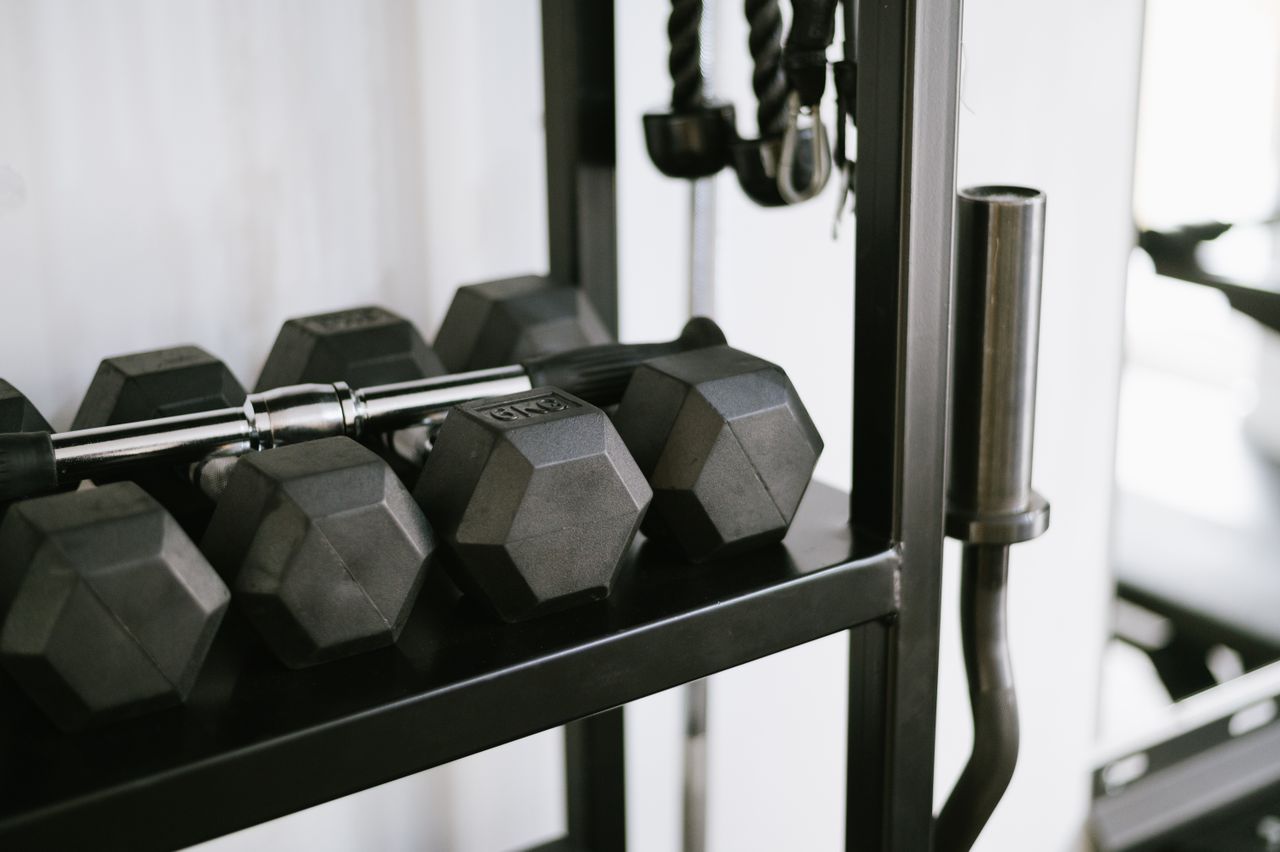
Storing a Home Gym: How to Protect Your Equipment and Free Up Space
Most home gyms start with good intentions and a spare corner of the garage. Eighteen months later, that corner has spread — a power rack, a stack of bumper plates, a treadmill nobody's touched since July, and a growing sense that the room you meant to reclaim has quietly disappeared. If that sounds familiar, you're not failing at fitness. You've just run out of space for the equipment that got you there.
We've been helping South Australian and Central Australian households solve exactly this problem since 1986, and the home gym version of it is one of the most common calls we get. This guide walks through what's actually worth storing, how to protect it properly, and how to do it without the guilt-trip that usually comes with "decluttering" advice.
Why a home gym takes over — and why that's not your fault
Home gym equipment is heavy, awkward, and built to survive a workout, not to live tidily against a wall. A single power rack, an adjustable bench, a set of plates and a rowing machine can easily eat six square metres — more once you add the mats, bands, and the box everything arrived in. Add a change in circumstances (a new baby, a return to the office gym, a rental inspection) and that equipment stops being "temporarily in the way" and becomes a permanent source of low-grade stress every time you walk past it.
This is where we think the usual storage conversation gets it backwards. It's rarely about the equipment being worth less than the cost to store it — it's about what having your garage, spare room or shed back is actually worth to your week. A garage you can park in. A spare room that's a spare room again. That's the outcome most people are really after.
What's actually worth storing (and what to keep close)
Not everything needs to leave the house. A sensible split keeps your training habit intact while freeing up real space:
| Keep at home | Better off in storage |
|---|---|
| Resistance bands, a mat, light dumbbells — anything you reach for 3+ times a week | Power racks, cages and squat stands you use less often than the space costs you |
| A foam roller or small kettlebell set | Bumper plate stacks and barbells not currently in weekly rotation |
| Whatever fits in a cupboard without becoming a trip hazard | Cardio machines (rowers, bikes, treadmills) between seasons of use |
| Anything you're mid-program with right now | Gear you're keeping "just in case" you get back into it — with 24/7 access, it's never further than a quick drive away |
That last row matters. The usual objection to storing gym equipment is "but what if I want it next week?" With 24/7 access, that's rarely a real trade-off — you're not choosing between the equipment and the space, you're just deciding where each one lives.
Protecting your equipment properly — Adelaide and Alice Springs conditions
Gym equipment is expensive to replace, and the two things that ruin it fastest are moisture and heat — both of which South Australian and Central Australian garages and sheds deliver in abundance. A garage in the northern Adelaide suburbs can swing from a cold, damp morning to a stinking hot afternoon inside a single day; an outdoor shed in Alice Springs can sit well above 45°C for weeks over summer. Neither is kind to steel, rubber, vinyl upholstery or electronics.
Rust and moisture
Bare steel — barbells, plate loading pins, rack uprights — will surface-rust within weeks if it's sitting on a concrete floor that sweats overnight. Wipe equipment down before it goes into storage, apply a light coat of oil to exposed steel, and store barbells off the ground on a rack or blocks rather than flat on concrete.
Heat and UV
Rubber bumper plates, vinyl bench pads and resistance bands harden, crack or fade under sustained heat and direct sun — a real risk in an un-shaded shed through an Alice Springs summer, or a tin garage anywhere across the Adelaide plains. A storage unit takes that variable out of the equation entirely.
Pests and dust
Foam rollers, yoga mats and padded benches are exactly the kind of soft materials mice and insects like to nest in, and anything left uncovered in a shed collects a fine layer of dust and grit that works its way into cable machines and bearings. A dust sheet or moving blanket over anything with moving parts is cheap insurance.
- Wipe down and lightly oil any exposed bare steel
- Deflate or loosen anything with air/gas struts (rowers, some benches) per the manufacturer's guidance
- Cover upholstered and rubber items with a breathable sheet — avoid tight plastic wrap, which traps moisture
- Store plates and barbells off the concrete floor, not stacked directly on top of each other
- Label boxes of small attachments (collars, pins, bands) so you're not hunting through everything for a 10-minute session
Storing vs. clearing it out vs. leaving it where it is
Leave it in the garage or spare room
- No effort now, but the space stays unusable
- Equipment slowly degrades from heat, damp or dust
- The "I'll sort it later" pile tends to grow, not shrink
Move the bulk of it into storage
- Garage, spare room or shed back in everyday use immediately
- Equipment is protected from Adelaide humidity swings and Alice Springs heat
- 24/7 access means nothing is really "gone" — just relocated
- No hidden fees, so the monthly outlay is predictable
Selling everything and starting again if your circumstances change is always an option too — but for most people, that's a bigger decision than the space problem actually calls for. Storage is the middle path: you keep the gear, you get the room back, and the decision about what to do long-term isn't forced by a Sunday afternoon deadline.
Get your garage back this week
Our team has helped households across Adelaide — and further afield in Alice Springs — free up real space without giving up their equipment. Explore flexible personal storage in Adelaide with transparent, no-hidden-fees pricing and 24/7 access whenever training calls.
View Personal Storage OptionsFrequently asked questions
Can I access my gym equipment outside business hours?
Yes. Units are accessible 24/7, so an early morning session before work or a late-night swap of gear doesn't need to wait for opening hours.
Will humidity or heat damage my equipment in storage?
A storage unit removes the extremes a garage or outdoor shed is exposed to — but it's still worth following basic prep (wiping down bare steel, covering rubber and upholstered items) before you pack anything away, as outlined above.
What size unit does a typical home gym need?
It depends on what you're moving out — a rack, bench and plate set is often a smaller unit than people expect, while a full setup with cardio equipment needs more room. Our team can talk through what you've got and suggest a size before you commit to anything.
Are there hidden fees I should know about?
No. We quote a straightforward price up front — no surprise admin charges, no fine print designed to catch you out. It's been our approach since 1986 and it isn't changing.