
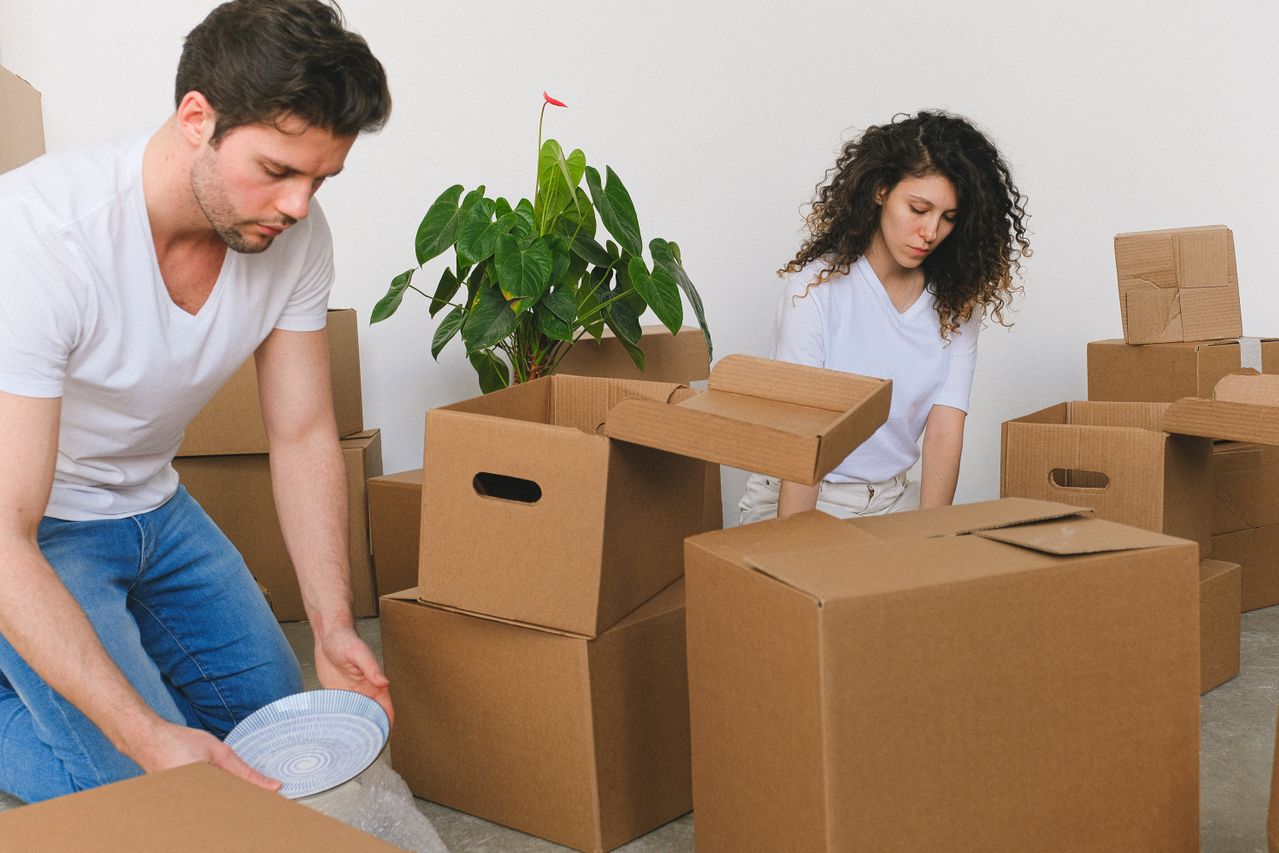
Selling a home asks you to do something slightly strange: keep living in the place while making it look like nobody lives there. Bookings for open homes arrive at short notice, the photographer wants clear benches, and the kids still need somewhere to leave their school bags. Self storage won't sell your house for you, but used well, it takes a lot of the daily friction out of the campaign.
Preparing your house for sale: where self storage actually helps
We've been helping South Australians and Territorians store their belongings since 1986, and a steady share of the people who walk through our doors are mid-sale. What they want isn't really "storage". They want their home to photograph well, they want to stop the frantic tidy before every inspection, and they want a plan for their furniture if settlement and their next move don't line up neatly.
Most guides to preparing a house for sale tell you to declutter, depersonalise and style. That advice is right. What they rarely say is where all that stuff goes while you're still living there. That's the gap this guide covers.
The hard part isn't the paperwork. It's living in a showroom.
Agents and stylists will tell you buyers need to picture their own life in your home, not inspect yours. In practice that means clear benchtops, half-empty wardrobes (buyers do open them), bare walls where the family photos were, and rooms with less furniture than you'd normally choose.
You can achieve that by shoving things in the garage or a spare room, and plenty of people try. The trouble is that buyers inspect garages, sheds and spare rooms too. A garage stacked to the roof tells a buyer the house lacks storage, which is the opposite of what you want them to think. Moving the overflow off site is usually the difference between a home that looks staged for one Saturday and one that stays inspection-ready for a whole campaign.
What to store, what to keep out, what to live with
A useful rule of thumb from property stylists is to remove around a third of the furniture from each main room. That sounds like a lot until you see the photos. Here's how we'd break it down room by room.
| Room | Move into storage | Keep at home |
|---|---|---|
| Living | Extra armchairs, side tables, bookcases, most ornaments, family photos, kids' toy boxes | One sofa, a coffee table, a rug, two or three styling pieces |
| Kitchen | Bench appliances you rarely use, overflow crockery, the bulk pantry stock | Daily essentials only, stored inside cupboards so benches stay clear |
| Bedrooms | Off-season clothes, spare bedding, under-bed boxes, a desk or exercise bike that crowds the room | Bed, bedside tables, the current season's clothes |
| Study / spare room | Filing boxes, sentimental items, hobby gear, anything that makes the room's purpose unclear | A simple desk set-up, or style it as a guest room |
| Garage & shed | Camping gear, sports equipment, tools you won't need, the "sort it later" boxes | The car, the mower, a tidy wall of tools |
| Outdoor | Broken or mismatched outdoor furniture, kids' play equipment, pot plant graveyards | One clean outdoor setting that shows off the entertaining area |
If you're storing good furniture for a few months, it's worth protecting it properly. Our guide to storing furniture in self storage covers covers, stacking and what not to wrap in plastic.
A selling timeline, and where storage fits in each stage
Selling usually runs longer than people expect once you count the lead-up and the gap after contracts. This is the pattern we see most often, and where storage takes pressure off at each step.
- 4 to 6 weeks before listing Walk through with your agent or stylist, decide what's staying, book any repairs and painting. Storage move: take the first load of bulky and rarely used items now, so tradies and painters can actually get into the rooms.
- 1 to 2 weeks before listing Deep clean, style, and book the photographer. Storage move: the second, smaller round. Personal photos, bench clutter, the last few pieces the stylist flagged. Make room for any hired staging furniture.
- The campaign (often 3 to 6 weeks) Open homes, private inspections, building inspectors. Storage move: use your unit as a pressure valve. Kids' gear, laundry overflow and weekend sports bags can go in the car and into storage before an inspection, then come back after.
- Contracts to settlement The house is sold, but you're still in it. Start packing for real. Storage move: pack room by room into storage rather than stacking boxes in the hallway, so the home stays liveable until the last week.
- Settlement and the gap after it Your settlement date and your next home's availability rarely line up perfectly. Storage move: everything that isn't coming to a short-term rental or a relative's spare room waits in storage until the new place is ready.
The benefit of starting early is that you're never doing one huge move under pressure. Small, regular trips to the unit are far less draining than a weekend of panic before the first open.
Staging a house for sale when you're still living in it
Professional staging is worth considering, especially for vacant or dated homes, and a stylist can tell you whether a partial stage of the key rooms is enough. But even the best stylist can't stage around a household's worth of belongings. Clearing space first is what makes staging possible, and it often means a stylist can work with your own good pieces rather than replacing everything with hired furniture.
A few styling tips for selling your home that we've seen make the most difference, all of which depend on having somewhere for the excess to go:
- Give every room one obvious purpose. A spare room that's half office, half gym and half storage reads as small and confusing.
- Clear at least half of every wardrobe and linen cupboard. Buyers open them, and a crammed wardrobe looks like a small one.
- Keep benchtops almost bare. A kettle and a bowl of lemons is plenty.
- Show the garage as a garage. If buyers can park a car in it, that's a selling point.
Selling in Adelaide and Alice Springs: local things worth knowing
Adelaide
Spring is a busy listing season across Adelaide, which means more competition for buyers' attention and a stronger case for presenting well from day one. In the family-home belts of the north and north east, from Tea Tree Gully, Modbury and Golden Grove through to Salisbury and Gawler, we often meet sellers whose garages and sheds hold 15 or 20 years of accumulated life. Clearing those out before photos is one of the quickest wins available.
If your campaign runs into summer, plan for heat. Open homes in a 40-degree week are less pleasant for everyone, and stuffy, overfull rooms feel smaller still. Fewer things in the house also means better airflow when you open it up before an inspection. Hills sellers around Mount Barker and Stirling face a different issue: big sheds and workshops that buyers want to see empty enough to imagine using.
For storage options across Adelaide, see our personal storage in Adelaide page.
Alice Springs
Anyone who has lived in Alice knows the red dust gets into everything. The fewer surfaces and objects in the house, the less there is to wipe down before each inspection, which matters when you're keeping a house in Gillen, Larapinta or the Eastside ready week after week.
Alice is also a town where people move on, with defence, health, government and mining work bringing families in and out. Removalists coming up the Stuart Highway from Adelaide or down from Darwin don't always have dates that match your settlement, and the gap between handing over the keys and the truck arriving can stretch. Local storage bridges that gap without you paying for a second move. If you're relocating into town rather than out of it, our piece on relocating to Alice Springs is worth a read.
One climate note: Central Australian summers are hard on heat-sensitive items. Candles, vinyl records, photographs and some electronics are better kept with you than in a hot shed, so ask about the right unit for them.
How to pack a storage unit you'll keep using during the sale
Storage during a sale isn't a one-way trip. You'll be adding to the unit and occasionally pulling things back out, so pack it for access, not just for space.
- Back of the unit: furniture and boxes you won't need until the new house.
- Middle: seasonal items. If you list in spring and settle in summer, you'll want winter doonas out of the way and summer gear within reach.
- Front, near the door: the overflow zone for inspection days, plus anything you might need at short notice, like documents for the conveyancer.
- Label every box on two sides with the room and a short contents list. You'll thank yourself at the other end.
Because our units are accessible 24/7, you can do a drop-off at 7am before a Saturday open or after work on a Thursday without working around office hours. During a sale, that flexibility does more to reduce stress than almost anything else.
The honest bit: what to ask before you book
Storage only reduces stress if there are no surprises on the bill. We've always believed in clear pricing and no hidden fees, and we'd encourage you to ask any provider, including us, the same questions before you commit.
- Is the price quoted the full weekly or monthly cost, or are there admin, deposit or padlock fees on top?
- How much notice do I need to give when I move out? Sale dates shift, so this matters.
- Can I change to a smaller or larger unit if my plans change?
- What insurance applies to my goods? (Our explainer on self storage insurance covers what home and contents policies usually do and don't include.)
- When can I access my unit, and is access the same on weekends?
A good storage provider will answer all five without hesitation. If the answers are vague, that's worth knowing before your furniture is inside.
Selling house checklist: the storage edition
- Walk through each room with your agent or stylist and list what's leaving
- Book a storage unit 4 to 6 weeks before photos, sized for the first and second rounds
- Clear the garage and shed first, so buyers see usable space
- Halve the contents of wardrobes, linen cupboards and the pantry
- Remove family photos, kids' artwork and anything with personal details
- Keep a front-of-unit space free for inspection-day overflow
- Store valuables and important documents securely, not in an unlocked spare room during opens
- Confirm your storage notice period lines up with your settlement date
- Plan where everything goes between settlement and your new home
Frequently asked questions
How long should I rent storage when selling my house?
Most sellers need storage from a few weeks before listing until after they've moved into their next home. Counting the lead-up, a typical campaign and the settlement period, that's often two to four months. If your next home isn't ready at settlement, allow longer.
Should I declutter before or after the listing photos?
Before. The photos are what most buyers see first, and they stay online for the whole campaign. Clear and style the house fully before the photographer arrives, then keep it at that standard for inspections.
Can I get to my things during the sale campaign?
Yes. Self Storage Australia units are accessible 24/7, so you can drop off or collect items around open homes, work and school runs.
Isn't it cheaper to just use the garage?
It's cheaper in the short term, but buyers inspect garages and sheds. A packed garage suggests the house doesn't have enough storage, which can work against you. Clearing it lets buyers see the space as a selling point.
Do I need insurance for items in storage while I'm selling?
It's worth checking. Some home and contents policies extend to goods in storage and some don't, so confirm with your insurer before moving valuable items.
Make your sale a little calmer
Our family business has been helping people through moves, sales and everything in between since 1986. Secure units, 24/7 access, and pricing with nothing hidden.
Explore personal storage optionsSelf Storage Australia is a member of the Self Storage Association of Australasia. This guide is general information only. Your agent and conveyancer can advise on your specific sale.